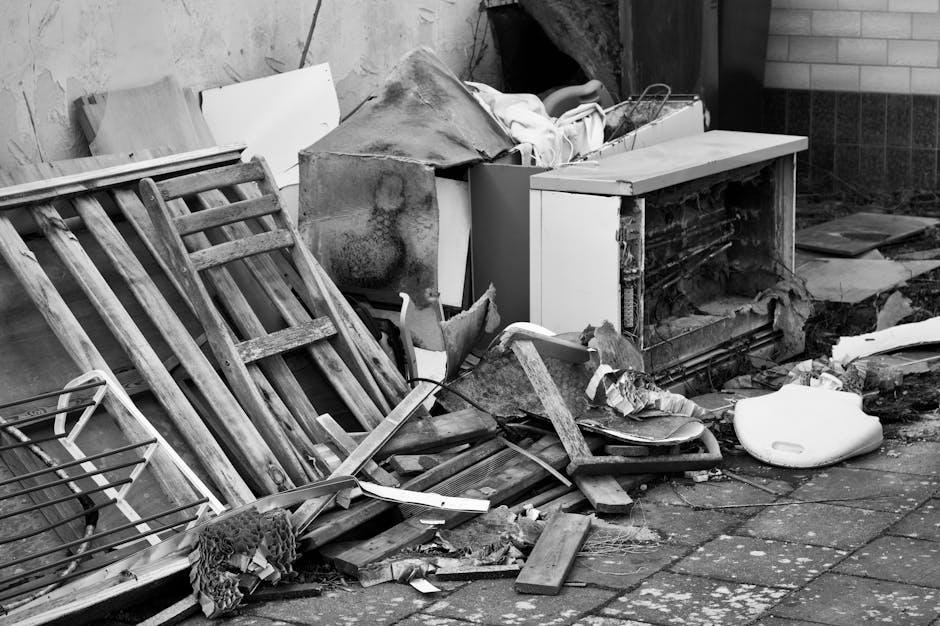
What to know about urgent rubbish clearance in Belmont
If you suddenly need space back, fast, urgent rubbish clearance in Belmont can feel like a small emergency of its own. One minute the hallway is clear, the next there's a pile of builders' offcuts, a broken wardrobe, damp cardboard, or a garden heap that has grown after a windy weekend. It happens. And when it does, you want straight answers: how quickly it can be done, what can be taken, what it might cost, and how to avoid a messy last-minute mistake.
This guide covers what to know about urgent rubbish clearance in Belmont in a practical, no-nonsense way. You'll get the essentials on how it works, who it suits, what to check before booking, and where people often trip up. There's also a step-by-step plan, a simple comparison table, and a checklist you can use before the job starts. Nothing fancy. Just the stuff that helps when time is short and you need the job done properly.
Table of Contents
- Why urgent rubbish clearance in Belmont matters
- How urgent rubbish clearance in Belmont works
- Key benefits and practical advantages
- Who this is for and when it makes sense
- Step-by-step guidance
- Expert tips for better results
- Common mistakes to avoid
- Tools, resources and recommendations
- Law, compliance, standards, or best practice
- Options, methods, or comparison table
- Case study or real-world example
- Practical checklist
- Conclusion
- Frequently asked questions
Why urgent rubbish clearance in Belmont matters
Urgent rubbish clearance is not just about tidying up. In a busy place like Belmont, where homes, flats, small businesses, and renovation projects all seem to overlap at once, a sudden build-up of waste can quickly become a real problem. It can block access, create smells, attract pests, and make a property look neglected. Truth be told, once rubbish starts taking over a doorway, garage, or shared entrance, it stops being a "later" task very quickly.
Speed matters because waste has a habit of spreading. A single pile of bags turns into overflow. Cardboard gets wet. Old furniture leans into walkways. A bit of builder's rubble ends up in the wrong place. If you are getting a property ready for sale, dealing with a tenant move-out, or trying to reopen a workspace, every lost day has a knock-on effect. That's why rapid clearance is often about more than convenience; it's about getting control back before the problem grows legs.
There's also the practical side of safety. Loose items, glass, sharp metal, overloaded bins, and damp waste can all create hazards. In a narrow drive or shared courtyard, the risk is even higher. To be fair, most people don't think about these things until the pile starts to smell. Then it becomes obvious in a hurry.
If your situation involves a wider clearance rather than a single urgent pickup, it can help to understand broader service types too. For example, a full waste removal service may be a better fit than trying to tackle everything in separate trips, especially when the job is time-sensitive.
How urgent rubbish clearance in Belmont works
The basic process is usually simple, but the details matter. Most urgent clearances follow the same rough pattern: you explain what needs removing, the provider estimates the load and timing, a team arrives, the waste is loaded, and the area is swept or left reasonably tidy. The speed mainly depends on access, waste type, and how much sorting is needed on site.
First, you'll usually describe the waste. That might be mixed household rubbish, garden waste, broken furniture, appliances, shop waste, renovation debris, or a mix of several things. Photos help a lot. A few clear images from different angles can save a surprising amount of back-and-forth, especially if the job needs to happen the same day or the next morning. Nobody likes a vague "there's quite a lot" message at 8:15am.
Next comes collection planning. If the waste is in a front garden or easy-access driveway, the team can move quickly. If it's at the top of stairs, in a loft, or tucked into a rear yard with no direct access, allow more time. In practice, access is often what turns a simple clearance into a more involved job. One narrow passage and a steep set of steps can change everything.
Then the team removes the waste, usually separating items for recycling or specialist handling where appropriate. Some materials need special care. Appliances, mattresses, sharp waste, paint tins, or anything potentially hazardous should be flagged in advance. If you're dealing with furniture and soft furnishings, a dedicated furniture clearance option may be more efficient, particularly for bulky items that take up a lot of van space.
Finally, there's a quick clean-up. Not a deep clean. Let's not get carried away. But a proper crew should leave the area safe and free of loose debris. If you are getting rid of a mixed load from a home, you may also find that home clearance or house clearance services fit better than a general one-off pickup because they handle the awkward "everything in one go" situations that urgent jobs often turn into.
Key benefits and practical advantages
The biggest benefit is obvious: speed. When rubbish is removed quickly, you get the space back, the stress drops, and the property becomes usable again. But there are a few less obvious advantages worth thinking about too.
- Less disruption: If a hallway, shop back room, or driveway is cluttered, everything feels harder. Clearing it fast makes the day work again.
- Lower risk of damage: Moisture, pests, and accidental knocks can damage flooring, walls, and stored items if waste sits around too long.
- Better presentation: Important for landlords, letting agents, sellers, and business owners who need the place looking cared for.
- Safer access: Clear walkways reduce trip hazards, especially in shared spaces or around builders' waste.
- More efficient sorting: A good clearance team can separate reusable, recyclable, and general waste more cleanly than a rushed DIY job.
There is also a psychological benefit people rarely mention. A cluttered property can make everything feel delayed. Once the waste is gone, the next decision gets easier. Paint the room. List the property. Start the repair. Whatever comes next, the space stops fighting you.
For mixed domestic waste, a focused service like flat clearance can be especially useful where stair access, neighbours, and limited parking make speed more important than ever. The smaller the access window, the more you want the process to be smooth first time.
Who this is for and when it makes sense
Urgent rubbish clearance in Belmont suits a lot of people, and not just those in obvious "messy" situations. In our experience, it often comes up in moments when life is already busy and the waste has just tipped from manageable into urgent.
Typical situations include:
- End-of-tenancy clear-outs where time is tight between move-out and inspection
- Homeowners dealing with post-renovation rubble or packaging
- Landlords clearing items left behind by former occupants
- Families sorting an inherited property before sale or handover
- Small businesses with stockroom clutter, packaging waste, or old office furniture
- Anyone facing an unexpected pile-up after a garden, garage, or loft sort-out
It also makes sense when the waste is too much for normal bins but not quite enough to justify a full skip. People often get stuck in that middle ground. They know they need help, but they are not sure which route is fastest. If the waste includes bulky items like sofas, wardrobes, or damaged appliances, you might need a more specific service rather than trying to handle everything as mixed rubbish. That's where a dedicated mattress and sofa disposal or fridge and appliance removal service can save a lot of time and lifting.
For business owners, the trigger is often customer-facing. A back-of-house room full of packaging, a cluttered storage area, or waste left after a fit-out can quickly become a nuisance. In those cases, business waste removal or office clearance may be the better route, especially if you need minimal disruption during trading hours.
Step-by-step guidance
If you want the process to go smoothly, a little preparation goes a long way. Here's the simplest way to approach urgent rubbish clearance without losing your head over it.
- Identify the waste type. Separate general rubbish from bulky items, electricals, food waste, garden debris, and anything potentially hazardous. Even a rough split helps.
- Take a few clear photos. One from the doorway, one close-up, and one showing access if possible. That usually gives a clearer picture than a long message does.
- Check access carefully. Think about stairs, locked gates, parking, loading distance, and whether items need carrying through the property.
- Ask what is included. Loading, labour, disposal, and sweep-up should all be clear. The last thing you want is surprise add-ons after the truck arrives.
- Flag awkward items early. Paints, solvents, sharp waste, asbestos-like materials, fridges, or commercial waste need special handling.
- Confirm timing. For urgent work, ask when the team can realistically arrive and how long they expect the clearance to take.
- Prepare the space. Move pets, unlock gates, and clear a path if you can. It saves time and reduces fuss on the day.
- Check the waste goes to the right place. Responsible disposal matters. Recycling and proper handling should be part of the service, not an afterthought.
One tiny but useful tip: if you can group similar items together before the crew arrives, the load often goes faster. It does not have to be perfect. Nobody is expecting a magazine spread. Just a bit of order saves a lot of lifting around.
If your job involves awkward upstairs removals, loft bags, or objects packed away for years, related services such as loft clearance or garage clearance may be more suitable than a general call-out. Those spaces tend to hide more than people remember. Dust, old boxes, forgotten equipment - the usual suspects.
Expert tips for better results
Here's where a bit of experience helps. Urgent jobs go smoother when the decision-making happens before the van turns up.
Be honest about volume. If the waste fills more than one room, say so. Underestimating the load can lead to delays or a second visit, which defeats the whole point of urgency.
Don't mix in unknown hazardous items. If you find old chemicals, batteries, or suspicious containers, set them aside. Hazardous waste needs specific handling. If you are unsure, mention it rather than guessing.
Think about recycling before collection. Cardboard, metal, wood, and some appliances may be separated more efficiently if identified early. That can improve the outcome and reduce waste going to landfill. A service with a clear sustainability approach, such as recycling and sustainability, is worth paying attention to here.
Watch the access route. A perfectly good team can lose time if parking is awkward or the route is blocked. If the van cannot get close, everything slows. Simple as that.
Use the right service for bulky items. Sofa, mattress, appliance, and builder's waste all behave differently. Matching the job to the right service is usually the fastest route, not the cheapest-looking one at first glance.
Keep documents and valuables out of the way. In a cluttered room, important paperwork can disappear into a pile very quickly. We've all seen it happen. A ten-minute tidy around the waste can save a lot of stress later.
Expert summary: The best urgent clearances are rarely the ones that look dramatic on arrival. They are the ones where the waste type, access, timing, and disposal route were clarified before anyone started lifting.
Common mistakes to avoid
People usually get tripped up by the same handful of things. The good news? They are easy to avoid once you know what to look for.
- Booking too late. If the space has a deadline, don't leave the clearance until the final hour. Urgency narrows your options.
- Sending vague descriptions. "A bit of rubbish" can mean almost anything. Give enough detail to avoid misunderstandings.
- Forgetting access issues. Stairs, permits, loading restrictions, and locked entrances can all affect the job more than people expect.
- Mixing hazardous and general waste. That can create safety issues and may require specialist handling.
- Assuming all bulky items are the same. A wardrobe is not the same as a fridge, and a mattress is not the same as building rubble. Different items need different handling.
- Choosing on price alone. Cheap can be fine, but not if it means poor disposal, delays, or hidden extras. Hidden rubbish removal costs are a common frustration, and it pays to ask direct questions up front.
If the clearance is part of a bigger tidy-up, related work like builders waste clearance can help keep the project moving. Renovations have a way of producing more debris than anyone planned for. Strange, that.
Tools, resources and recommendations
You do not need a van full of gear to prepare for urgent rubbish clearance, but a few practical tools make life easier.
- Phone camera: Use it to document the waste and send photos for a quicker estimate.
- Heavy-duty bin bags or boxes: Good for grouping smaller loose items before collection.
- Gloves and sturdy shoes: Useful if you are moving light items yourself, though don't push it if the load is awkward.
- Tape and labels: Handy for marking items that should stay, especially in shared homes or offices.
- Clear access plan: Note where the team should park, which gate to use, and any keycodes or entry instructions.
For households with a lot of mixed clutter, a focused service such as house clearance can be a better fit than piecemeal removal. For smaller but still awkward spaces, garage clearance is a common choice because garages tend to fill up with items people mean to sort "next weekend". Then, somehow, next weekend never arrives.
If you want to compare likely costs or ask about what is included, the pricing and quotes page is the obvious place to start. And if you prefer to arrange things without back-and-forth messaging, you can also book online when that suits your schedule.
Law, compliance, standards, or best practice
Waste clearance is one of those jobs where the visible part is only half the story. What happens after the rubbish leaves matters just as much. In the UK, waste should be handled and disposed of responsibly, and anyone collecting it should be able to explain how it is managed. You do not need to become an expert in waste law, but you should expect proper handling and a sensible process.
As a customer, the best practice is straightforward:
- Make sure the waste is described accurately.
- Flag anything hazardous, sharp, or unusual.
- Ask how the waste will be sorted or recycled where relevant.
- Check that the provider is insured and has appropriate safety procedures.
- Keep records or confirmation if you are a landlord, managing agent, or business owner.
For commercial premises, this matters even more. Office items, confidential papers, electrical equipment, and mixed business waste often need extra care. If the job includes records, a service like confidential shredding may be worth considering alongside clearance. Paperwork left in the wrong pile can create a headache nobody wants.
Health and safety is another practical part of the picture. Lifting heavy items badly can lead to injuries. Dust, splinters, broken glass, and mould are not dramatic until they are. A provider with clear health and safety policy and insurance and safety information gives you a better sense of how the job will be managed. That is not just paperwork. It is reassurance.
If your waste includes anything that may be dangerous or regulated, such as chemicals or contaminated materials, a dedicated hazardous waste disposal route is the safer choice. Do not try to fold specialist waste into a general clearance and hope for the best. Hope is not a disposal method.
Options, methods, or comparison table
There are a few ways to deal with urgent rubbish clearance in Belmont, and the right choice depends on the amount of waste, the time you have, and how much lifting you want to do yourself.
| Option | Best for | Pros | Trade-offs |
|---|---|---|---|
| Urgent man-and-van style clearance | Quick removal of mixed waste, bulky items, small-to-medium loads | Fast, flexible, usually less hassle | May cost more than DIY, access details matter |
| Skip hire | Projects with steady waste output over several days | Convenient if you are generating waste gradually | Needs space, permits may apply, loading is on you |
| DIY trips to the tip | Small loads with time and transport available | Can be cheaper if you already have a vehicle | Time-consuming, physically demanding, not ideal for urgent deadlines |
| Specialist clearance | Appliances, sofas, lofts, offices, hazardous or bulky items | Better handling for specific waste types | May need more detail and upfront planning |
For many urgent jobs, a clearance service wins because it removes the friction. The team turns up, handles the heavy lifting, and deals with disposal. That matters a lot if you are in a flat, working against a deadline, or simply cannot spare the day. If you are dealing with outdoor clutter, garden clearance can also be the most efficient route, especially after hedge cutting, storm debris, or a long-overdue tidy-up.
Case study or real-world example
Here's a realistic example. A landlord in Belmont gets a call on a Friday afternoon: a tenant has moved out, the property inspection is on Monday morning, and the back room contains broken shelving, a mattress, a disassembled wardrobe, bags of mixed rubbish, and several damp boxes from the shed. Not a disaster, but definitely a problem.
The fastest sensible response is not to spend the evening sorting every item by hand. Instead, the landlord sends photos, confirms access to the rear gate, and explains that there may be some bulky furniture and a small amount of garden waste mixed in. The clearance team arrives the next day, removes the waste, separates what can be handled responsibly, and leaves the area ready for the inspection.
What made the difference? Three things: clear photos, honest description, and realistic timing. The job did not become easier by magic. It became easier because the planning was clean. That's really the point of urgent rubbish clearance done well.
Another common version of this happens in small offices. A business decides to reconfigure a storage room and discovers old chairs, packaging, broken fixtures, and confidential paperwork that should never have been stacked together in the first place. A combined approach using office clearance and shredding support can save the team from several separate headaches.
Practical checklist
Use this checklist before you book or before the team arrives. It is simple, but it covers the details people forget when they are in a rush.
- Have I identified the main waste types?
- Have I taken clear photos of the load and access route?
- Do I know whether any items are hazardous, sharp, or fragile?
- Is there enough parking or access for collection?
- Have I checked whether the job needs furniture, appliance, or builders' waste handling?
- Am I clear on the timing and how urgent the job really is?
- Do I know what is included in the quote?
- Are any documents, valuables, or items I want to keep safely removed?
- Do I need recycling, shredding, or specialist disposal as part of the job?
- Have I confirmed the next sensible step if more waste turns up on the day?
If you can tick most of those off, you are in good shape. Not perfect, maybe. But good enough to avoid the usual last-minute scramble.
Get a free quote today and see how much you can save.
Conclusion
What to know about urgent rubbish clearance in Belmont comes down to this: be clear, be practical, and act early enough to keep the problem from growing. The right service can remove pressure quickly, but the result is best when the waste type, access, timing, and disposal needs are explained properly from the start.
If you are staring at a pile of rubbish right now, that feeling of being behind is completely normal. Most people do not plan for a room to fill up, a garden to get overwhelmed, or a move-out to turn chaotic. Still, once you get the first load out of the way, the whole place tends to breathe again. And honestly, that first clear patch of floor can feel like a small reset.
Take the straightforward route, ask the right questions, and choose a service that handles the job with care. It is one less thing hanging over your head, and sometimes that is worth a lot more than it sounds.
Frequently Asked Questions
How quickly can urgent rubbish clearance in Belmont be arranged?
It depends on the time of day, the size of the job, and how easy the access is, but urgent clearances are often arranged much faster than standard removals. The more clearly you describe the waste, the easier it is to confirm a realistic slot.
What types of rubbish can usually be removed urgently?
General household rubbish, bulky furniture, garden waste, office clutter, appliances, and mixed clearance loads are common. Some items, such as hazardous materials, need specialist handling and should be mentioned before booking.
Is urgent rubbish clearance more expensive than a planned collection?
Usually, yes, because the service is being prioritised and may involve faster scheduling. That said, it can still be good value if you factor in your time, transport, parking, and the hassle of doing it yourself.
Do I need to sort the rubbish before the team arrives?
Not perfectly, no. But grouping similar items and separating anything hazardous or valuable makes the job smoother. Even a rough sort can speed things up and reduce confusion on site.
Can bulky furniture be taken at short notice?
Yes, in many cases. Sofas, wardrobes, beds, and other heavy items are commonly collected as part of urgent clearances. If the pieces are especially awkward or need disassembly, mention that early.
What if the waste is in a loft, garage, or flat with stairs?
That is still workable, but access affects timing and labour. Loft clearance, garage clearance, and flat clearance are often better matches for awkward spaces because they set the right expectation from the start.
Will the area be left tidy afterwards?
A proper clearance should include a basic tidy-up of the area once the waste is removed. That usually means clearing loose debris and leaving the space safe, though it is not the same as a deep clean.
What should I do with appliances like fridges or freezers?
Tell the provider in advance. Appliances often need separate handling, especially because of their size and contents. A dedicated appliance removal service can be the cleanest option.
Are there any items that should never go in a general rubbish clearance?
Anything hazardous, chemically risky, or otherwise restricted should not be lumped into a standard load. Paints, solvents, certain electrical waste, and similar items may need a specialist route.
How do I avoid hidden costs?
Be precise about the volume, access, and item types. Ask what is included, whether labour and disposal are covered, and whether there are extra charges for stairs, heavy items, or specialist waste. A clear quote saves trouble later.
Is urgent rubbish clearance suitable for businesses?
Yes. Businesses often use urgent clearance for stockrooms, offices, refurbishments, and end-of-lease situations. If the waste includes paperwork or sensitive items, combine the job with confidential shredding where appropriate.
What is the best first step if I need clearance today?
Take photos, list the main item types, check access, and request a quote as soon as you can. If you want a simple starting point, the pricing and booking pages are usually the quickest way to move from panic mode to a proper plan.